Veterans Serving Veterans: Finding Purpose Beyond the Uniform
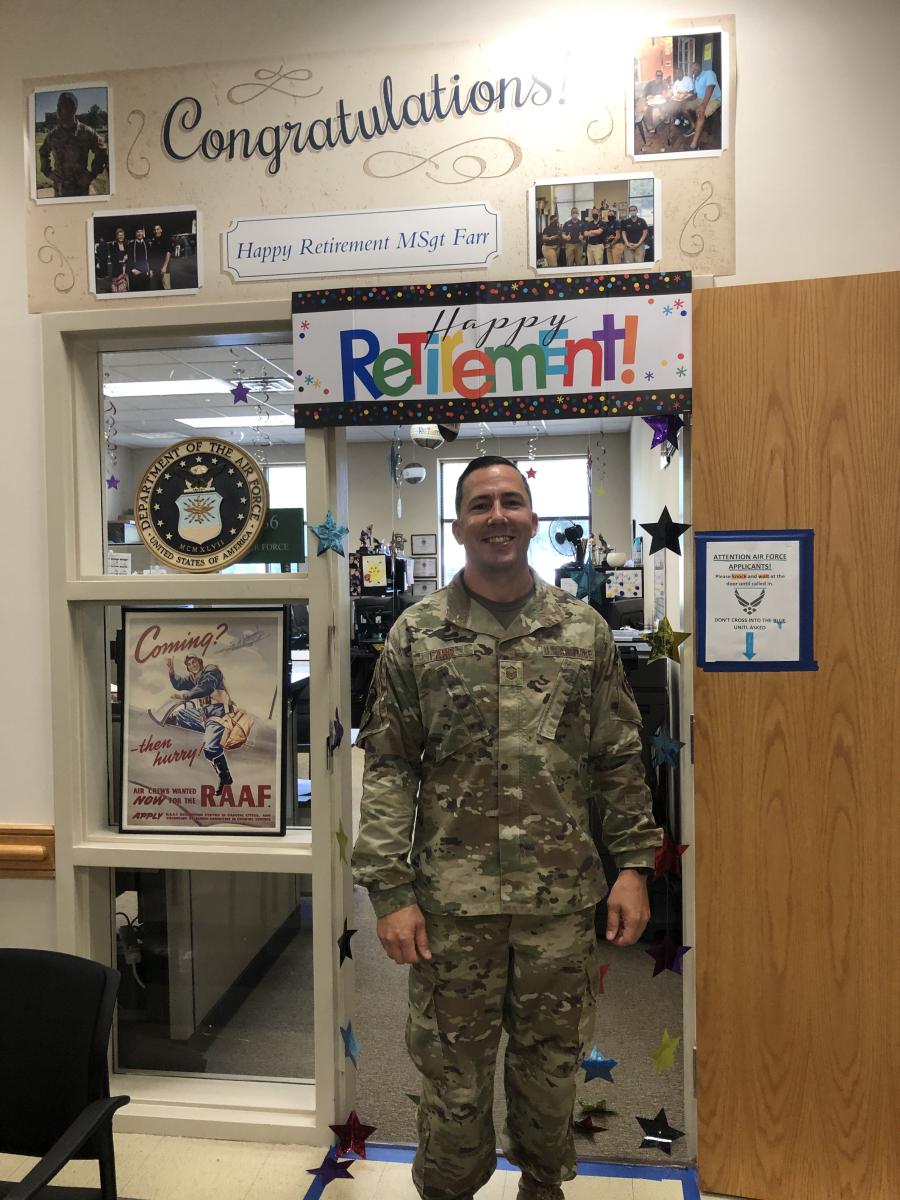
Air Force veteran Casey Farr draws on more than two decades of military service to help fellow veterans navigate civilian careers and continue making a difference at Leidos QTC Health Services.
After more than 21 years in the U.S. Air Force, Casey Farr knew what it meant to serve a mission, lead a team and take care of people. What proved more challenging was deciding what came next.
“For me, the hardest part was redefining myself,” Farr said. “In the Air Force, you become a jack of all trades and sometimes a master of none, and the military tells you what you will do and when you will do it. When you get out, the decision is entirely yours, and that freedom can be harder than it sounds.”
Today, as senior manager of Talent Acquisition at Leidos QTC Health Services, Farr draws on that experience to help fellow veterans navigate one of life's most significant transitions: moving from military service to civilian careers.
His work reflects a commitment deeply connected to the organization's mission: veterans serving veterans. Across Leidos QTC, former service members bring their experiences, perspectives and dedication to supporting the health and well-being of fellow veterans. For Farr, that commitment means helping veterans recognize their potential and find meaningful opportunities to continue contributing.
A New Mission, Rooted in Service
Farr's 21½ years in the Air Force shaped his approach to leadership and his understanding of what it means to support others.
“Twenty-one and a half years in the Air Force taught me to lead with mission and take care of people, and I bring both to recruiting,” Farr said.
But his own transition also gave him an appreciation for the challenges veterans face when they leave the structure and familiarity of military life.
Beyond finding a job, many must redefine their professional identity, build new networks and learn to communicate their experience to employers unfamiliar with military terminology.
Veterans also leave behind a built-in community and sense of mission, making the search for meaningful civilian work especially important.
Farr understands those challenges because he's experienced them himself. And that perspective influences how he evaluates candidates and advocates for their potential.
“Because I've been there, I don't just screen veteran candidates. I advocate for them,” Farr said. “I listen for what they actually did, not just their title or rank, and I make sure hiring managers see the value behind the military language.”
Looking Beyond the Military Job Title
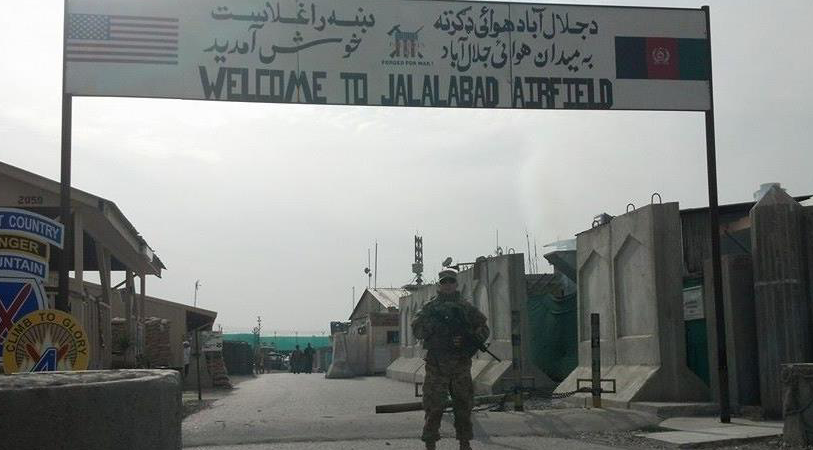
One of the biggest obstacles transitioning veterans face is translating their military experience into terms civilian employers understand.
Military ranks, occupational specialties and responsibilities don't always align neatly with civilian job descriptions. As a result, highly qualified candidates may struggle to demonstrate how their experience applies to a new profession.
Farr encourages veterans to look beyond their military job titles and recognize the transferable skills they developed throughout their service.
Leading a team of 12, for example, demonstrates people management and accountability. Managing logistics in a deployed environment involves operations, planning and risk management. Training and mentoring junior service members translates into leadership and supervisory experience.
“I start by asking what they did, not what their title was,” Farr said.
He also helps veterans recognize that the broad range of responsibilities they handled in uniform can be a professional advantage.
Adaptability, quick learning and the ability to perform under pressure are valuable qualities in civilian workplaces. The key is communicating those strengths in ways employers recognize.
Farr encourages candidates to share specific examples of their accomplishments, supported by measurable results whenever possible.
By helping veterans tell their stories more effectively, he works to ensure that military experience is recognized as an asset rather than overlooked because of unfamiliar terminology.
The Impact of Believing in Someone
For Farr, recruiting is about more than matching candidates with open positions. It's about recognizing potential, building relationships and sometimes seeing possibilities that aren't immediately apparent on a resume.
He recalls helping a Navy veteran who wanted to enter the recruiting profession despite having little experience in the field.
On paper, the candidate wasn't an obvious fit. But as Farr got to know him, he recognized qualities that aligned with what his team needed: consistency, strong communication skills and an ability to build trust.
Although there wasn't an immediate opening, Farr stayed in touch with the veteran for nearly a year.
When a position became available, he encouraged him to apply. The candidate was selected.
“Potential doesn't always show up on a resume, and sometimes the most valuable thing you can give a veteran is patience and someone who believes in them,” Farr said.
For Farr, experiences like this reinforce the importance of looking beyond conventional qualifications and recognizing the strengths veterans bring to the workforce.
They also demonstrate how a willingness to invest time in someone can change the direction of a career.
Preparing for the Next Chapter
Farr encourages service members to begin preparing for civilian employment well before leaving the military.
He recommends starting the transition process 12 to 18 months before separation, building a civilian professional network and taking advantage of available resources, including the military's Transition Assistance Program, mentors and veteran hiring initiatives.
He also advises veterans to translate their experience into accomplishments rather than simply listing responsibilities. Specific examples, measurable outcomes and clear explanations of leadership experience can help civilian employers better understand their qualifications.
But Farr recognizes that preparation involves more than resumes, networking and interviews.
After years of working within a highly structured environment, veterans must adjust to making decisions about their own professional futures. That freedom can bring uncertainty, even for those who have successfully navigated demanding military assignments.
“Be patient with yourself. For the first time in a long while, the decision is yours, and it takes time to get comfortable with that,” Farr said. “Asking for help is a strength, not a weakness. You already know how to do hard things.”
Veterans Serving Veterans: A Mission That Continues
At Leidos QTC Health Services, veterans serving veterans extends beyond a shared military background. It is reflected in the people who support the organization's mission every day, from clinicians and operations teams to customer experience professionals and recruiters.
Veterans bring firsthand understanding of military service, its demands and the importance of treating those who served with dignity and respect. That perspective can make their work especially meaningful when the people they support are fellow veterans.
“At Leidos QTC, the mission is serving Veterans,” Farr said. “Our work supports Veterans through disability evaluations and health services, so a veteran joining us is helping take care of the community they came from.”
For Farr, that connection is personal. His work in talent acquisition allows him to help fellow veterans find meaningful careers while strengthening an organization dedicated to supporting the military and veteran communities.
His journey illustrates that leaving the military doesn't mean leaving behind the values that define service. Leadership, accountability and a commitment to others can continue to shape a career long after the uniform comes off.
And at Leidos QTC Health Services, that commitment takes on new meaning as veterans continue serving veterans.